Top Gaming Influencers to Follow in 2026
The top gaming influencers hold some of the most engaged audiences anywhere online. Viewers watch for hours, not seconds, and they act on what a creator actually plays and uses. That combination of attention and trust is why gaming, hardware, energy and apparel brands keep coming back to this space, and why the wrong creator match is so expensive. This list spans streamers, mobile-game creators, esports voices and gaming-lifestyle personalities across Twitch, YouTube, TikTok and Instagram. Every creator here keeps a free Superdeal profile showing their real audience, engagement and rates, so you can judge fit before you reach out rather than after.
How to choose a gaming influencer
Start with genre, not follower count. A mobile-game creator, a competitive shooter streamer and a variety personality reach three different audiences, and a mismatch is obvious to viewers immediately. Match the creator to the specific game, genre or product you are promoting.
Then look at watch time and community rather than reach. Gaming audiences reward creators they trust with hours of attention, which means a smaller creator with a genuine community often outperforms a larger one with passive viewers. Read the chat and the comments, not just the numbers.
Check platform strength next. A creator strong on Twitch may have a modest YouTube presence, and a TikTok clips account may not convert to a live audience at all. Confirm where their engaged audience actually lives.
Finally, look at how past sponsorships felt. The best gaming integrations are barely distinguishable from the creator's normal content. If previous sponsored streams read as scripted ad breaks, expect the same from yours.
What gaming brand deals usually look like
The common formats are a sponsored stream, a dedicated video, in-content product placement, a tournament or event partnership, and an affiliate code for a game or piece of gear. Rates vary more in gaming than in almost any other category, because a multi-hour sponsored stream is a different product from a single post. Streamers with large live audiences command a premium accordingly. Each creator on Superdeal lists their own rate up front, so you can compare before you enquire.
Frequently asked questions
Who are the top gaming influencers? They range from competitive esports streamers to mobile-game specialists and variety creators, each with a different platform and audience profile. This list curates creators with genuinely engaged gaming followings and shows the numbers on each profile, so you can match a creator to your game or product rather than guessing.
How much do gaming influencers charge? Rates vary widely by format and audience size. A sponsored stream or dedicated video costs considerably more than a single social post, and creators with large live audiences charge a premium. Rather than working from published averages, check each creator's own listed rate on their Superdeal profile.
How do brands work with gaming streamers? Usually through a sponsored stream, a dedicated video, product placement inside normal content, or an affiliate code. Superdeal handles the agreement, usage rights and payment in one flow, with funds held until the content is delivered and approved.
Do gaming influencers work with small brands? Frequently, yes. Smaller creators in a specific genre are often more accessible and more effective for a niche product than a household name, and their rates reflect that.
Browse the full to filter by platform and audience, or start a deal with any gaming creator below.
Featured Creators
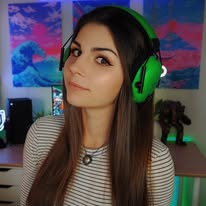
katwontclutch
@katwontclutch
Xbox and Apex Legends creator with an anime-leaning following, streaming on Twitch alongside 27.9K on Instagram. Already running discount-code partnerships, so a code integration is familiar territory rather than a first.
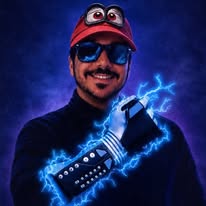
supergeekboy97
@supergeekboy97
Gaming lore, reviews and hidden gems for an audience that grew up with the classics. A smaller, focused following built on nostalgia rather than new releases, which suits back-catalogue titles, remasters and collector products.