UGC Videos in 2026: 25 Examples Across 5 Format Types
25 annotated UGC video examples across 5 formats — testimonial, unboxing, demo, day-in-the-life, transformation — plus 2026 rates, production specs, and how to brief.

Founder & CEO, Superdeal
Updated July 16, 2026.
A UGC video is a short-form, phone-shot video of a real person using or reacting to a product, designed to look organic rather than polished. In 2026, brands buy five distinct UGC video formats (testimonial, unboxing, demo, day-in-the-life, transformation) at format multipliers stacked on base creator-tier rates: $75–$200 beginner, $200–$500 mid, $500–$1,500 pro. This guide opens with 25 annotated examples, then covers format economics, the 5-part brief template, and 2026 paid-ad benchmarks (UGC CPMs run 30–60% lower than polished branded video at comparable CTR).
👉 Browse 5,000+ UGC video creators free →. Filter by format, vet portfolios, send a deal in 30 seconds.
What Is a UGC Video?
User-generated content (UGC) video is a short, phone-shot clip of a real person engaging with a product. The 2026 commercial definition specifically means a creator-shot, vertical, mobile-first clip a brand commissions, licenses, or repurposes as ad creative.
UGC video meaning, in one sentence
A UGC video is a short video (usually 15 to 180 seconds) shot vertically on a smartphone by a single creator, showing a person using, reviewing, or reacting to a product in a way that looks like organic social content rather than a produced commercial.
UGC-style video vs. true UGC
Two distinct things people mean by "UGC video" in 2026:
UGC-style (commissioned). Paid contractor shoots in the UGC aesthetic. Brand briefs, pays, owns usage. FTC disclosure required. This is what Superdeal brokers.
True UGC (organic). Unsolicited customer content. Brand needs explicit written permission to repost. FTC #ad disclosure isn't required without an incentive, but the moment the brand seeds product or pays, the relationship flips into commissioned territory.
For most brand programs, "UGC video" really means commissioned UGC-style; it's the repeatable, brief-able version. See What is a UGC creator for the full UGC creator vs. influencer vs. branded-content comparison.
25 Annotated UGC Video Examples (5 Per Format)
This section catalogues 25 UGC video patterns observed across the Superdeal portfolio and public brand ad libraries in Q1 2026, grouped by format. Each entry pulls the actual hook (first 3 seconds), claim, CTA structure, edit pacing, and FTC disclosure pattern from a real video, with creator identities held back to protect ongoing brand contracts. Promo-code references are illustrative of the first-name-code convention common in UGC and don't reference specific creators.
To verify these patterns yourself, browse Meta Ad Library (filter by Active ads → United States) and TikTok Creative Center (Top Ads section) — both are public, no login required.
5 testimonial UGC video examples
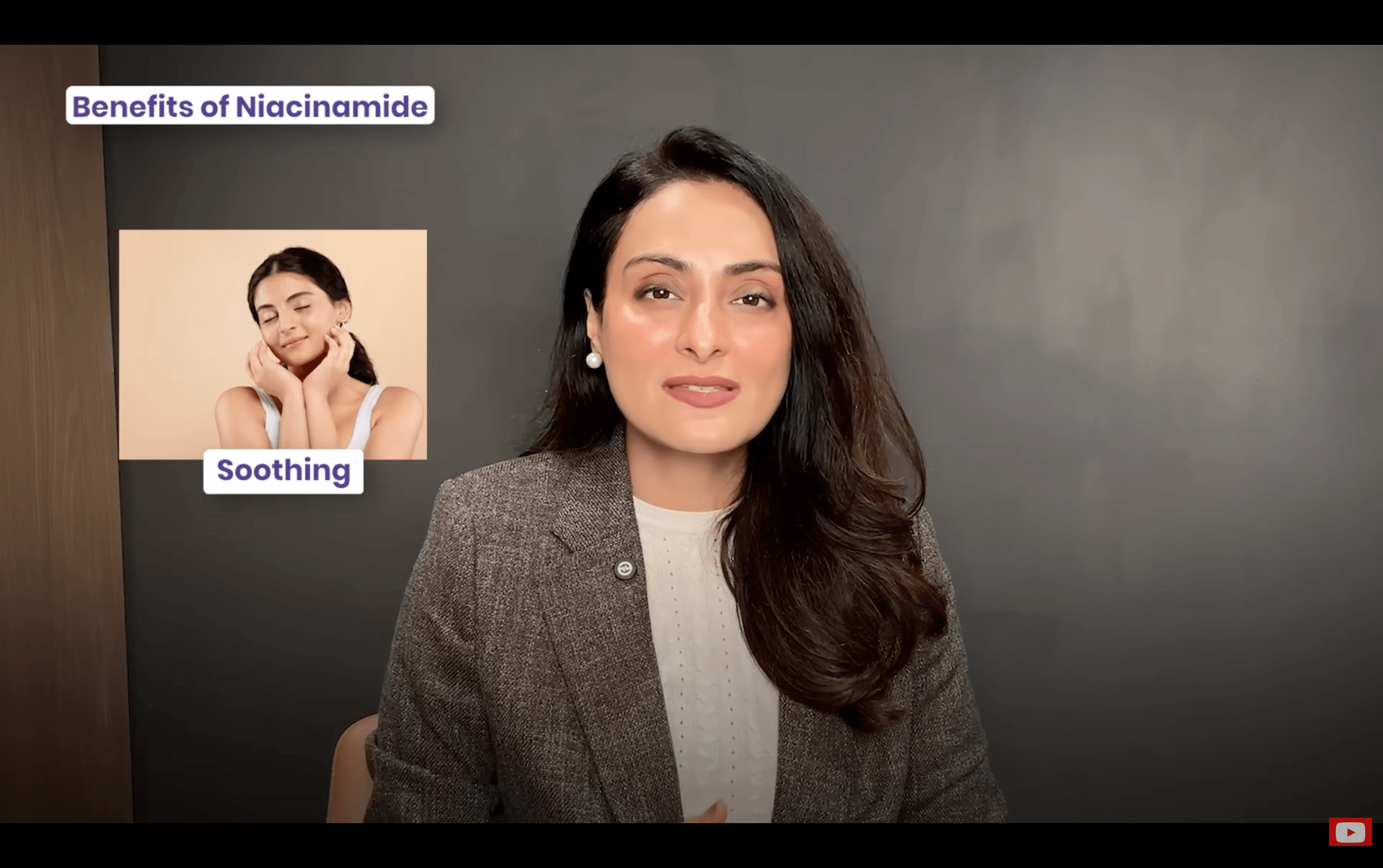
1. Niacinamide serum testimonial (beauty). Hook: "I've been gatekeeping this for three months." Claim: pores visibly smaller after 30 days. CTA: "link in bio." Edit pacing: static talking-head, jump cuts every 7–10 seconds. FTC disclosure: "#ad" caption plus "Paid partnership" overlay in first second. 38s, 9:16, captions burned in. Why it works: social-proof open plus a result tied to a fixed 30-day window; "gatekeeping" is current vocabulary.
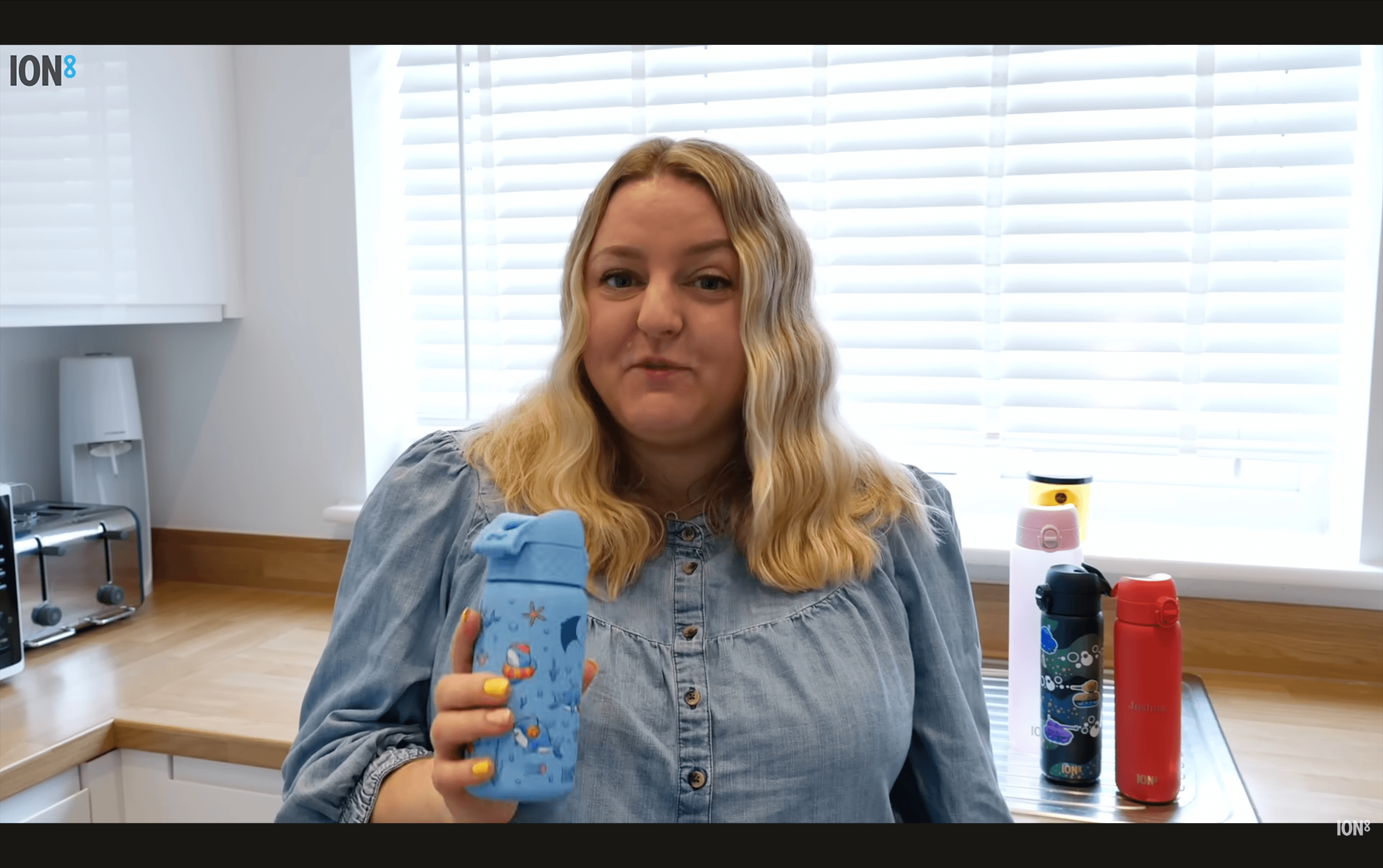
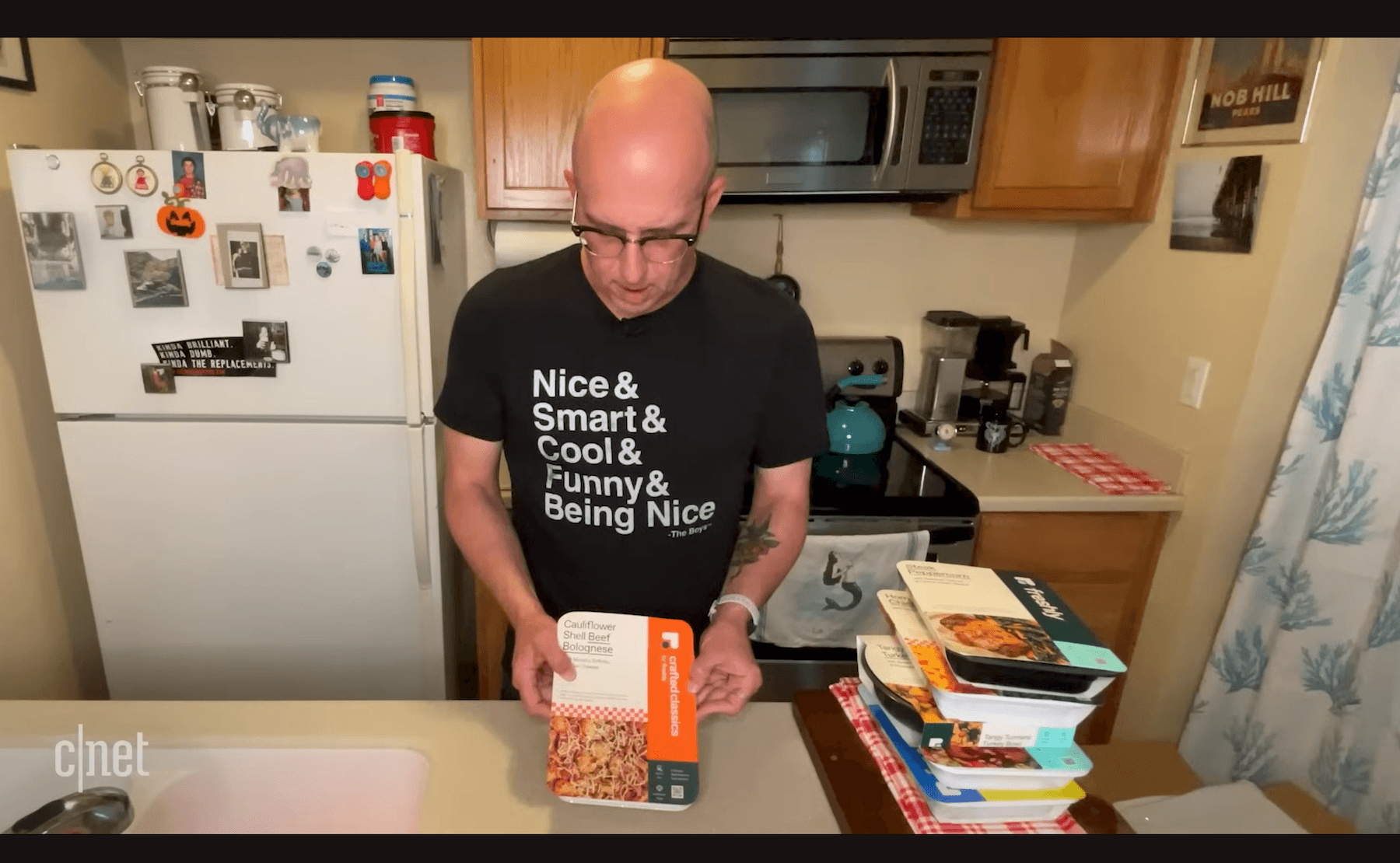
2. Toddler-proof water bottle testimonial (parenting). Hook: "If you have a kid under three, watch this." Claim: bottle survived 12 throws onto tile. CTA: "shop the link." Edit pacing: handheld walk-and-talk, demo in middle, return to face for CTA. FTC disclosure: spoken "this brand sent me this" at second 4 plus #ad in caption. 52s, 9:16, captions burned in. Why it works: direct-address hook plus a tangible demo claim.
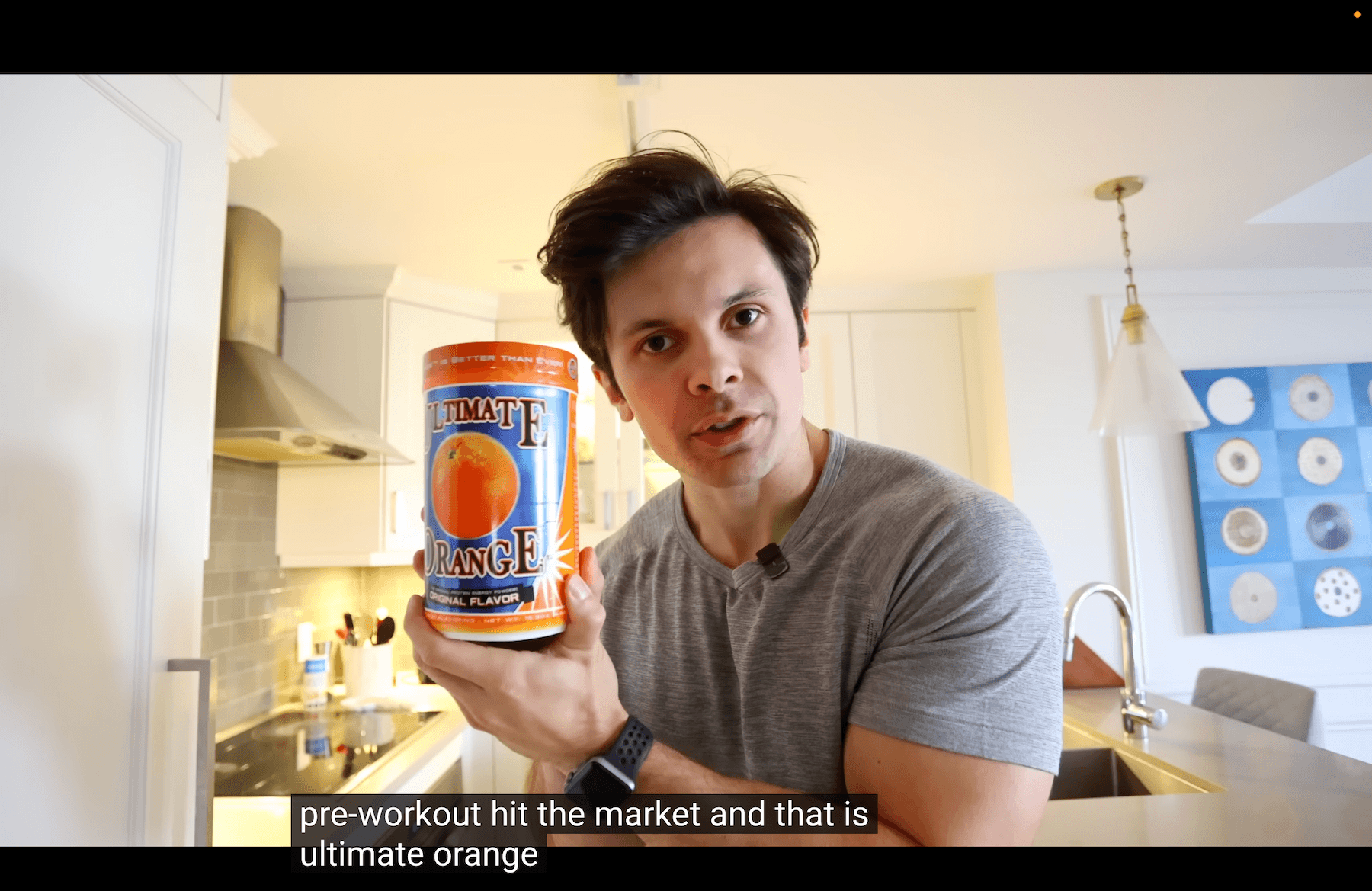
3. Pre-workout testimonial (fitness). Hook: "Day 14 of this pre-workout, real review." Claim: trained 6 days, no crash. CTA: discount code on-screen. Edit pacing: gym B-roll cut to talking-head every 6 seconds, three-act structure. FTC disclosure: Meta "Paid partnership" tag plus #ad badge on screen. 47s, 9:16, captions burned in. Why it works: timeframe-anchored hook plus the trust-signal of admitting it's a paid review.
4. Knife brand testimonial (food). Hook: "I've owned this for a year, honest take." Claim: still razor sharp, no chips. CTA: "code MICA15." Edit pacing: slow A-roll of the knife intercut with talking-head, kitchen tempo. FTC disclosure: caption "#ad #sponsored" plus spoken disclosure. 58s, 9:16, captions optional. Why it works: long-ownership credibility marker plus a durability claim a buyer can independently verify, sidestepping the usual "paid testimonial" skepticism.
5. Magnesium glycinate testimonial (wellness). Hook: "If you wake up at 3am, this fixed it for me." Claim: slept through 9 of 10 nights. CTA: "link in bio, code SAM10." Edit pacing: low-light bedroom B-roll, talking-head in lamp light, calm delivery. FTC disclosure: in-caption #ad plus on-screen "Paid partnership" overlay. 41s, 9:16, captions burned in. Why it works: problem-solution hook aimed at a precise pain point.
5 unboxing UGC video examples
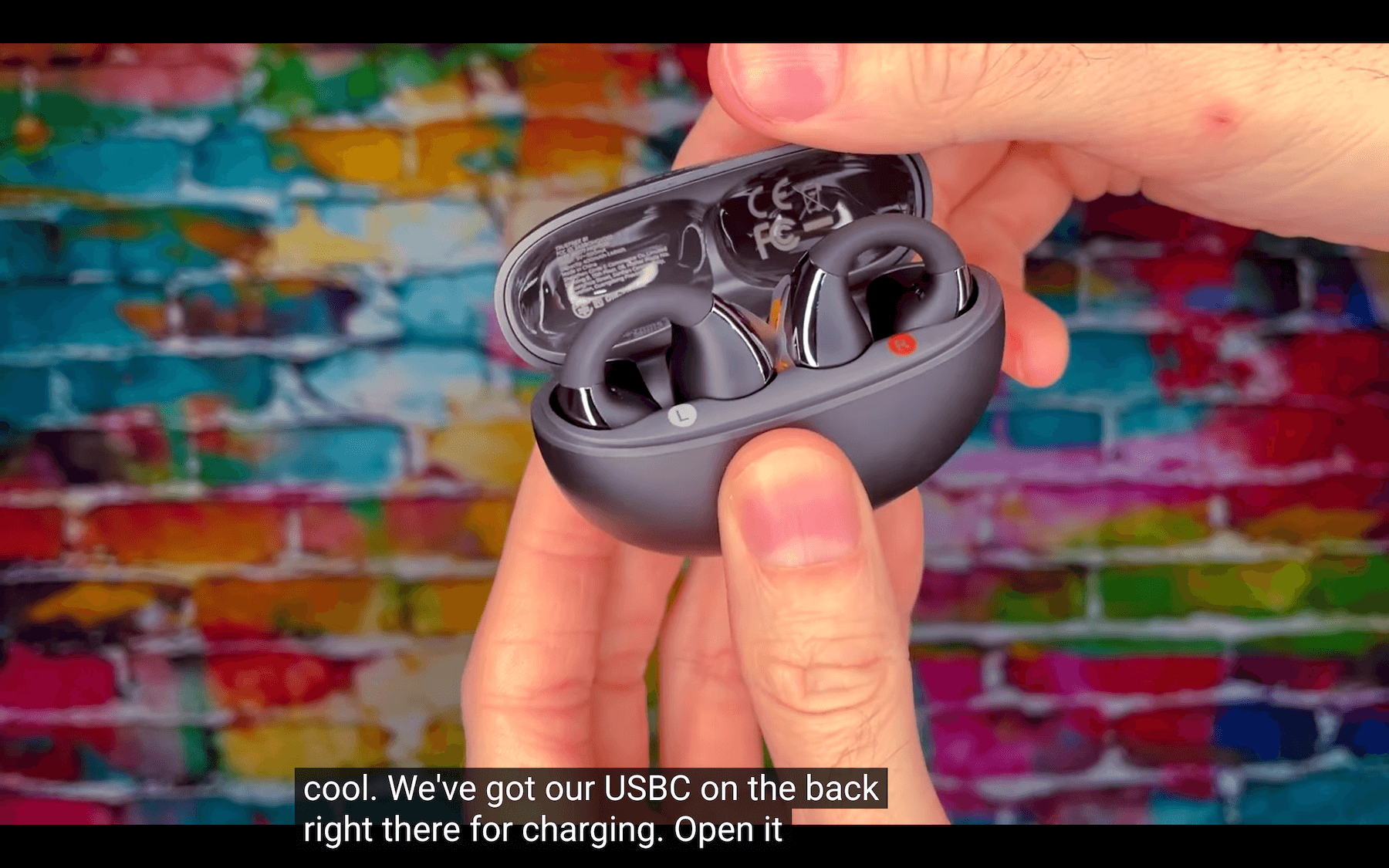
6. Wireless earbuds unboxing (tech). Hook: "These just landed, let's see what they ship with." Claim: 8-hour battery, ANC, $79 price. CTA: "linked below." Edit pacing: continuous unbox take, 3-second pace breaks at each accessory reveal. FTC disclosure: "#ad gifted" caption plus on-screen overlay at second 2. 1m 12s, 9:16, captions at key moments. Why it works: price-point claim front-loaded; viewers stay to see what $79 actually buys.
7. Skincare PR box unboxing (beauty). Hook: "The packaging on this is unreal." Claim: full-size travel-friendly format. CTA: "DM me for the code." Edit pacing: tight 4-second cuts between items, ASMR audio on each reveal. FTC disclosure: caption "#gifted #ad" plus spoken paid-partnership note. 1m 4s, 9:16, captions burned in. Why it works: packaging-led hook plays directly to the unboxing-format intent, and the DM-for-code CTA drives a high-quality reply for retargeting.
8. Subscription dog box unboxing (pet). Hook: "What did they send this month?" Claim: 6 items, all US-made, under $30. CTA: code "PAIGE." Edit pacing: dog reacts to each item, pacing led by the dog. FTC disclosure: "Paid partnership" Meta tag plus spoken disclosure at second 6. 1m 28s, 9:16, captions burned in. Why it works: question-led hook plus a recurring-subscription frame that invites a re-watch monthly.
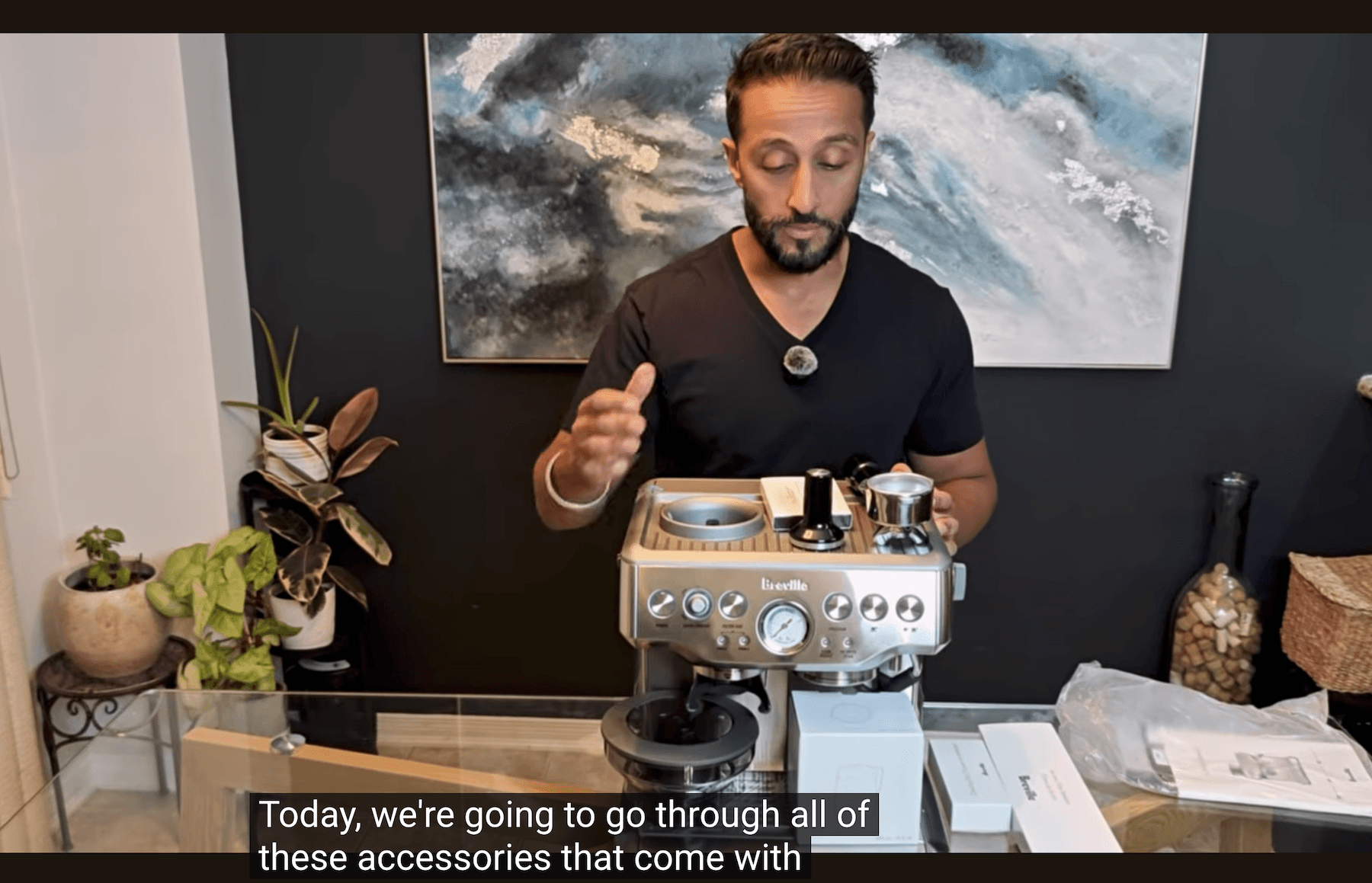
9. Coffee gear unboxing (home). Hook: "I've wanted this espresso machine for two years." Claim: arrived complete, no extras to buy. CTA: "code KEVIN15." Edit pacing: deliberate, almost ASMR, letting the metal sounds breathe. FTC disclosure: caption-first #ad plus on-screen overlay in first 2 seconds. 1m 18s, 9:16, captions at key moments. Why it works: confession-style hook signals the purchase wasn't impulsive, building trust before the price reveal.
10. Postpartum kit unboxing (parenting). Hook: "Every new mom needs this box, wish I'd had it." Claim: 14 items, hospital-bag-ready. CTA: code "MAYA10." Edit pacing: slow unwrap intercut with talking-head context per item. FTC disclosure: spoken "this brand sent me this" plus #ad in caption. 1m 35s, 9:16, captions burned in. Why it works: solidarity-frame hook ("wish I'd had it") triggers the target audience instantly.
5 demo / how-to UGC video examples
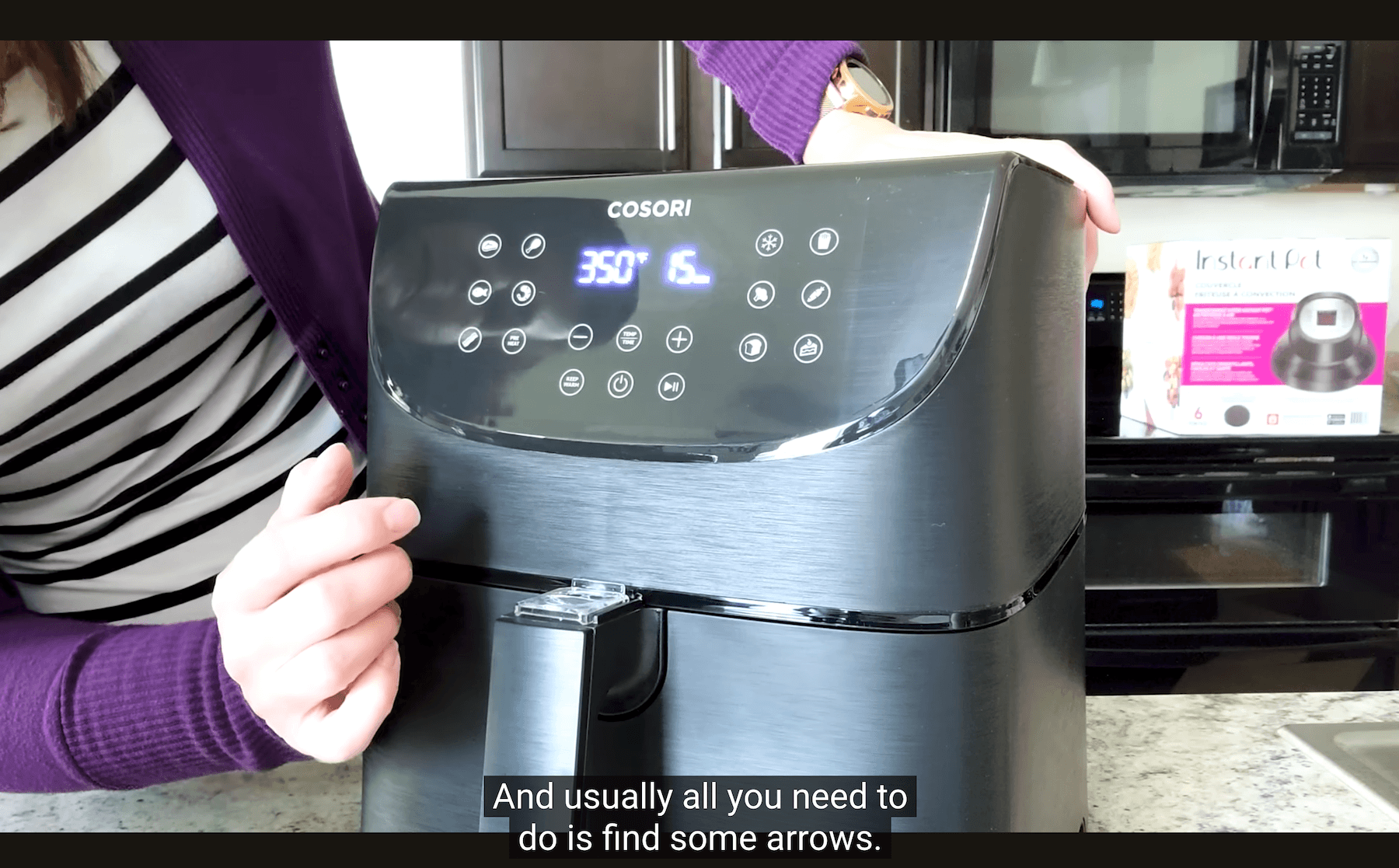
11. Air fryer demo (food). Hook: "Three meals in 12 minutes, let me show you." Claim: 12 minutes start to plate. CTA: "linked." Edit pacing: split-screen cooking three things at once, fast cuts every 2–3 seconds. FTC disclosure: in-caption #ad plus spoken disclosure at the start. 1m 47s, 9:16, captions step-by-step. Why it works: demonstration-first hook combined with a hard-number outcome at the top promises immediate utility.
12. Peel pad how-to (beauty). Hook: "Most people use these wrong, here's the right way." Claim: 3 steps, do not skip step 2. CTA: discount code on-screen. Edit pacing: numbered step overlays, 4-second cuts, voiceover narration. FTC disclosure: "Paid partnership" tag plus #ad in caption. 1m 22s, 9:16, captions step-by-step. Why it works: negative-claim hook plus a numbered-step structure begs a save and a re-watch for the actual steps.
13. Resistance band how-to (fitness). Hook: "5 moves with one band, beginner-friendly." Claim: full workout with no gym, one $25 band. CTA: "code WILL10." Edit pacing: 5 named exercises, 15 seconds each, on-screen exercise label. FTC disclosure: in-caption #ad plus on-screen overlay. 1m 28s, 9:16, captions step-by-step. Why it works: number-led hook plus a "beginner-friendly" qualifier doubles the audience and lets the structure itself preview the deliverable.
14. Drill how-to (home). Hook: "If you've never used a drill, watch this." Claim: assemble a shelf in 4 minutes. CTA: "linked in bio." Edit pacing: real-time assembly with on-screen step labels, no cuts during action. FTC disclosure: spoken "this is sponsored" at second 3 plus #ad caption. 2m 1s, 9:16, captions step-by-step. Why it works: direct-address hook removes intimidation as the gatekeeping objection.
.png)
15. Fertilizer demo (lifestyle). Hook: "My monstera was dying, this is what fixed it." Claim: new growth in 3 weeks. CTA: code "PRIYA." Edit pacing: time-lapse intercut with talking-head explanation, B-roll of the dosing. FTC disclosure: in-caption #ad plus on-screen "Paid partnership" overlay. 1m 38s, 9:16, captions step-by-step. Why it works: problem-solution hook plus a time-lapsed proof point that's structurally hard to fake on camera.
5 day-in-the-life UGC video examples
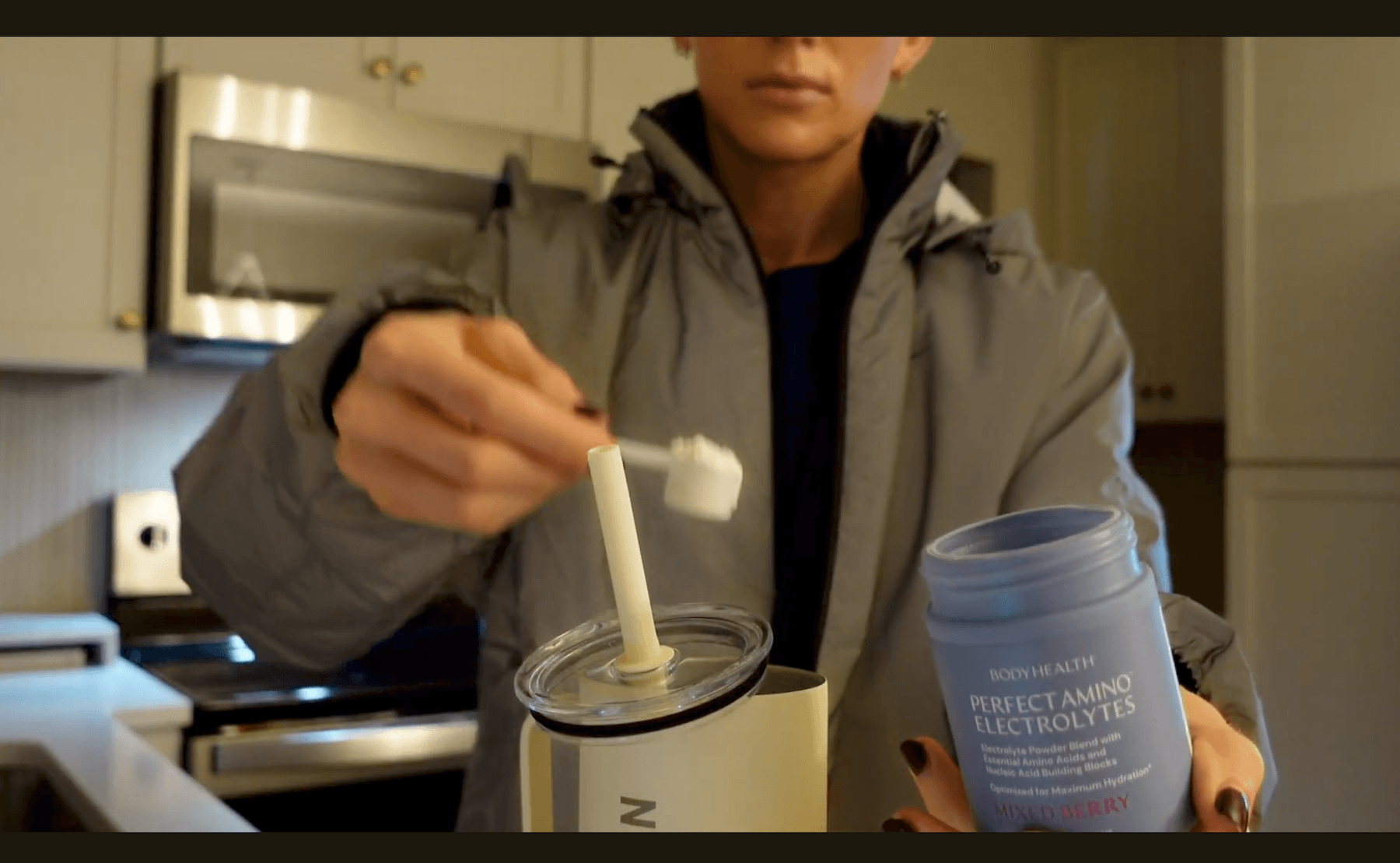
16. Supplement day-in-the-life (lifestyle). Hook: "5am with a toddler and a job, my real morning." Claim: 4 supplements, 90 seconds to take them all. CTA: "code MARA20." Edit pacing: real-time morning routine, 5–8 second clips per activity, supplement is the third beat of seven. FTC disclosure: "Paid partnership" tag plus in-caption #ad. 2m 12s, 9:16, captions optional. Why it works: relatable specificity ("toddler and a job") plus the product nested mid-routine rather than spotlit.
17. Work-from-home tea day-in-the-life (lifestyle). Hook: "A realistic WFH day in 2 minutes." Claim: 5 cups, zero crash. CTA: "linked." Edit pacing: time-stamped scene cuts (7am, 10am, 2pm), product appears 4 times naturally. FTC disclosure: in-caption #ad plus spoken "this is sponsored by [brand]." 2m 4s, 9:16, captions optional. Why it works: "realistic" framing plus repeat product appearances across the day signals genuine, repeated usage, not a one-off shoot.
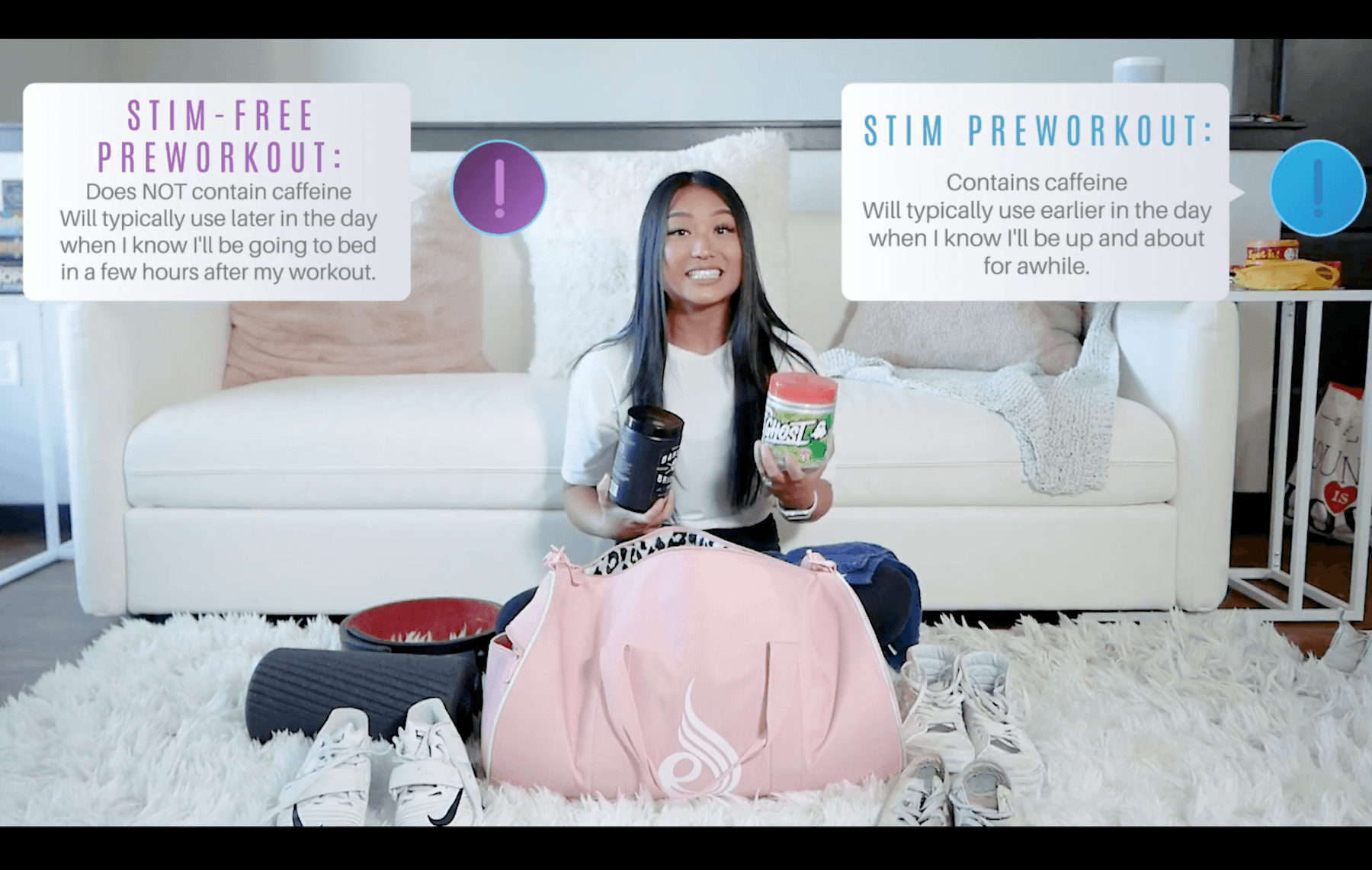
18. Gym bag day-in-the-life (fitness). Hook: "What's in my gym bag for a 2-a-day." Claim: pre-workout, intra, recovery, all one brand. CTA: code "MARI." Edit pacing: morning gym, midday work, evening gym, product appears 3 times in real context. FTC disclosure: "Paid partnership" tag plus #ad caption. 2m 21s, 9:16, captions optional. Why it works: insider-vocabulary hook ("2-a-day") signals the audience the brand wants reached.
19. Sleep training day-in-the-life (parenting). Hook: "Night 1 with this sleep training program." Claim: 4 wakes down to 1 in a week. CTA: "linked." Edit pacing: time-stamped 7pm bedtime to 7am wake, voiceover update at each wake. FTC disclosure: in-caption #ad plus spoken disclosure at the start. 2m 38s, 9:16, captions optional. Why it works: episodic-frame hook ("Night 1") sets up a follow-along over multiple posts.
20. Meal-prep service day-in-the-life (food). Hook: "What I eat in a day on this meal service." Claim: 3 meals, 8 minutes total prep. CTA: code "SI50." Edit pacing: breakfast, lunch, dinner with timestamp, each meal shown plate-up to first bite. FTC disclosure: "Paid partnership" tag plus #ad. 1m 58s, 9:16, captions optional. Why it works: "what I eat in a day" is a known TikTok format and rides existing watch-behavior.
5 transformation / before-after UGC video examples
21. 30-day acne transformation (beauty). Hook: "Day 1 vs. Day 30, no filter." Claim: visible texture change in 30 days. CTA: code "SARAH15." Edit pacing: split-screen before/after, timestamped progress at days 7 / 14 / 21 / 30. FTC disclosure: in-caption #ad plus on-screen "Paid partnership" overlay throughout. 1m 12s, 9:16, time-stamp captions. Why it works: pattern-interrupt hook ("no filter") preempts the "this is photoshopped" objection.
22. 8-week strength transformation (fitness). Hook: "8 weeks of one protein powder, here's what changed." Claim: 4 lb lean mass, measured. CTA: code "MARI." Edit pacing: weekly progress photos cut to a measurement overlay, intercut with current talking-head. FTC disclosure: in-caption #ad plus on-screen overlay. 1m 28s, 9:16, time-stamp captions. Why it works: single-variable framing ("one protein powder") makes the result feel attributable to the product.
23. Hair-growth serum transformation (beauty). Hook: "8 weeks of this serum, receipts." Claim: 1.4 inches of growth, measured. CTA: "linked, code HANA10." Edit pacing: weekly photo cut with tape-measure overlay, before/after side-by-side at the end. FTC disclosure: "Paid partnership" tag plus spoken disclosure. 1m 4s, 9:16, time-stamp captions. Why it works: curiosity-gap hook ("receipts") plus a measurable claim wrapped in visible verification on a tape-measure overlay.
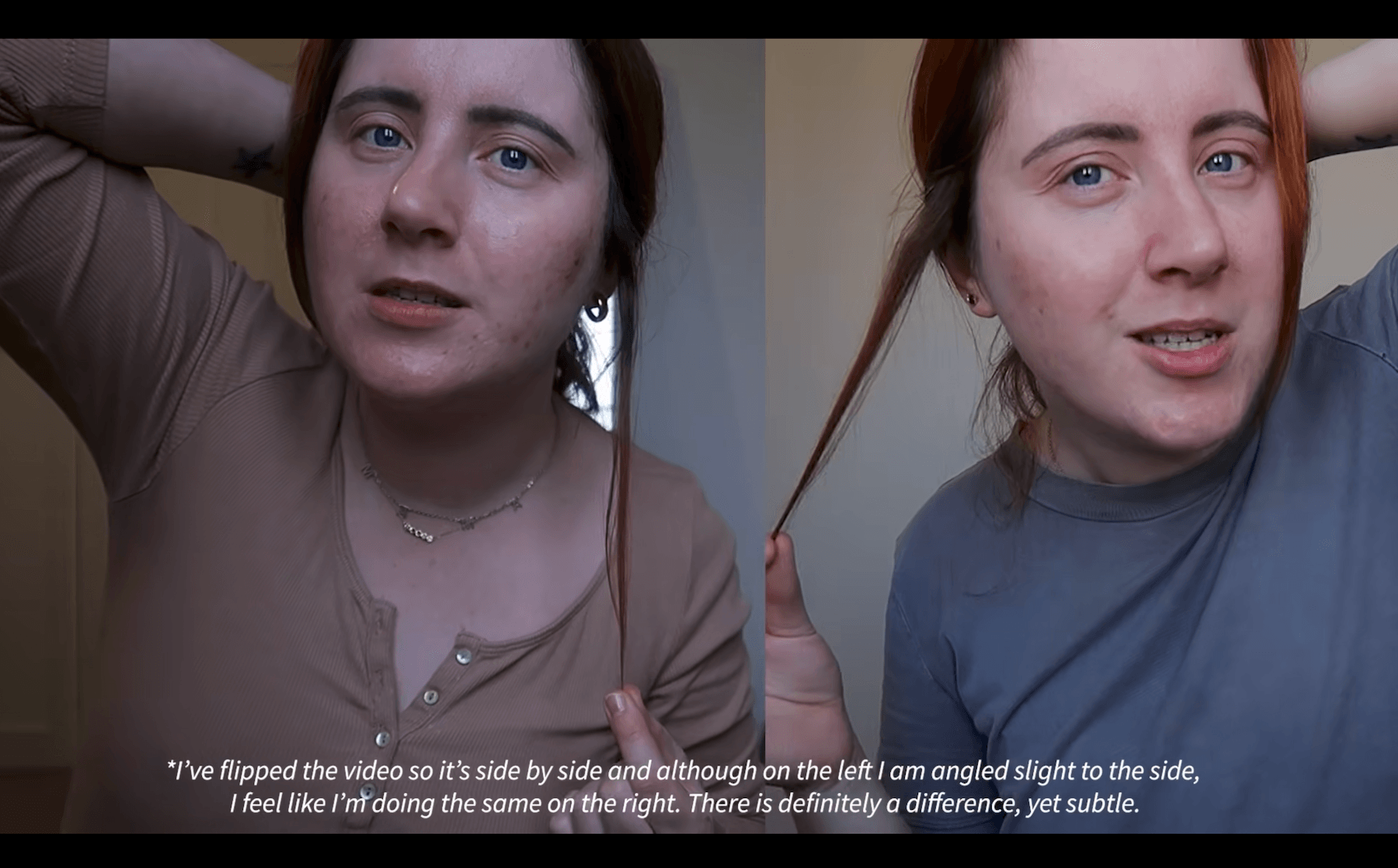
24. Teeth-whitening transformation (beauty). Hook: "7 days of whitening, actually whiter?" Claim: 4 shades by the shade card. CTA: code "CORA." Edit pacing: daily photo with on-screen shade card overlay, before/after at the end. FTC disclosure: in-caption #ad plus on-screen overlay throughout. 58s, 9:16, time-stamp captions. Why it works: question-led hook plus a third-party measurement device (the shade card) gives the claim independent credibility.
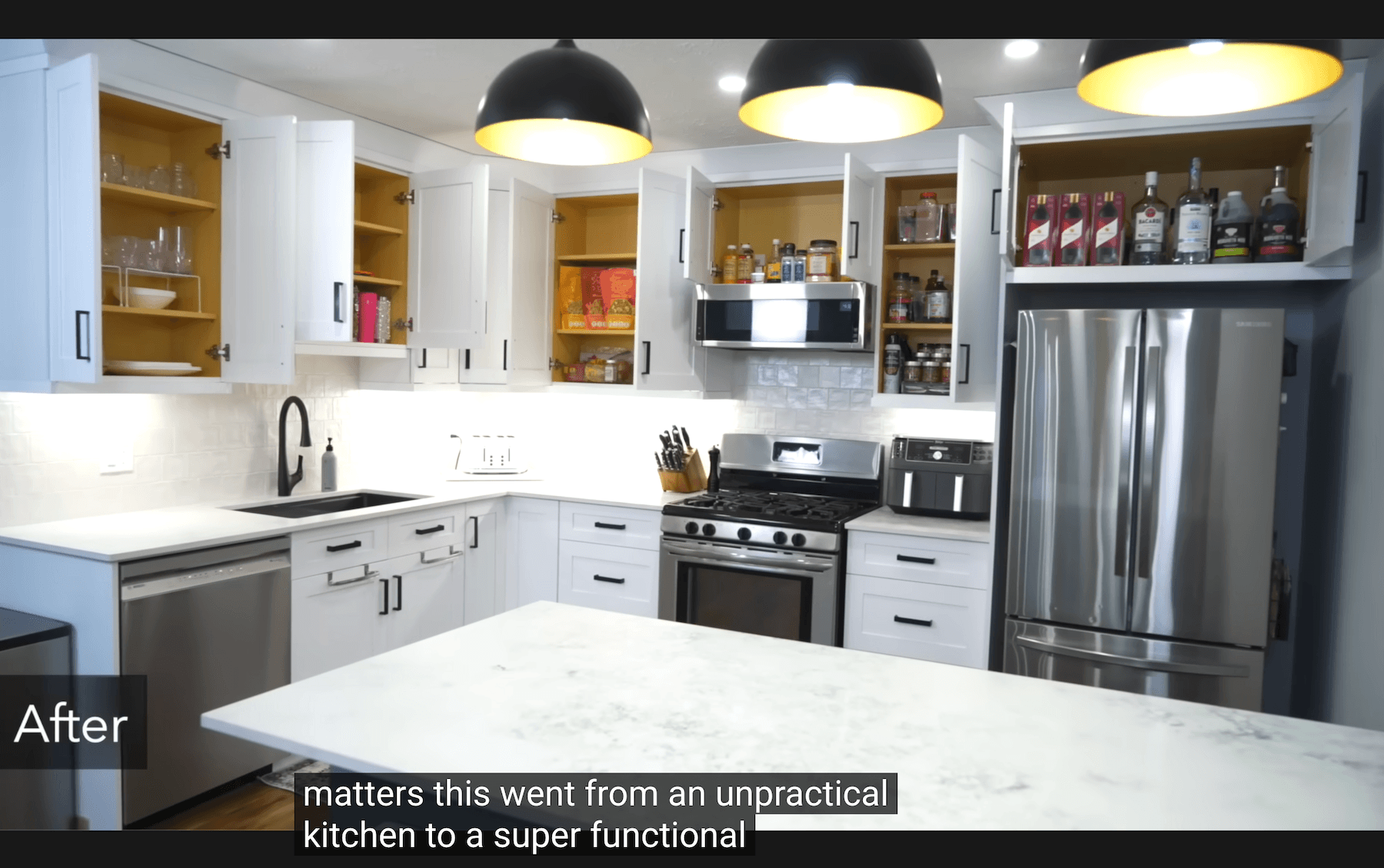
25. Kitchen organization before-after (home). Hook: "Pantry chaos to pantry calm in one Saturday." Claim: $48 spent, 2 hours of work. CTA: "linked." Edit pacing: time-lapse before, process, after, with cost overlay at each step. FTC disclosure: in-caption #ad plus spoken "this is sponsored." 1m 18s, 9:16, time-stamp captions. Why it works: time-and-cost specificity makes the transformation feel reproducible at home for under fifty dollars.
The 5 UGC Video Formats Brands Buy in 2026 (Deep Dive)
The 25 examples cluster into five formats brands buy on repeat. Each format carries a different cost multiplier, fits a different placement, and runs on a different production cadence. Read each format alongside its 5 examples above.
Testimonial (1.0× baseline, 30–60s, 9:16). Creator on camera explaining what they used. Best for paid social and retail PDPs. Brands buy this format more than the other four combined.
Unboxing (1.2–1.3×, 45–90s, 9:16). Packaging-led reveal. Best for launches and retail PDPs. Packaging quality is half the deliverable.
Demo / how-to (1.4–1.6×, 60–120s, 9:16 or 1:1). Step-by-step product walk-through. Best for higher-consideration purchases where the customer needs to understand HOW it works before buying.
Day-in-the-life (1.6–1.8×, 60–180s, 9:16). Product woven into a real day. Best for lifestyle brands. Multiplier reflects the hours of real-day shoot time.
Transformation (1.8–2.0×, 30–90s, 9:16). Measurable change over time. Best for beauty, fitness, and home. The brand gets a built-in claim from the timestamps.
Source. Format multipliers reflect 2026 industry-benchmark ranges across DTC and CPG paid-ads programs, on top of the base tier rates in our UGC creator guide. See the format-multiplier footnote in the cost section below.
How Much UGC Videos Cost in 2026
Per-creator-tier base rates (beginner $75–$200, mid $200–$500, pro $500–$1,500) come from our UGC creator guide. See the UGC rates table for the tier-by-experience breakdown. This section adds the format multipliers on top of those tier ranges, plus bundle and add-on pricing.
Format multipliers (format-multiplier × base tier rate, 2026)
A testimonial is a 30-minute shoot with one cut; a transformation is six weeks of check-ins plus an edit. Multipliers stack on top of the base tier rates.
Testimonial (1.0×). Beginner $75–$200, mid $200–$500, pro $500–$1,000.
Unboxing (1.2–1.3×). Beginner $100–$300, mid $300–$700, pro $700–$1,500.
Demo / how-to (1.4–1.6×). Beginner $150–$400, mid $400–$900, pro $900–$1,500.
Day-in-the-life (1.6–1.8×). Beginner $200–$500, mid $500–$1,000, pro $1,000–$1,800.
Transformation (1.8–2.0×). Beginner $200–$500, mid $500–$1,200, pro $1,200–$2,000.
Footnote. Per-tier base ranges come from the "Typical UGC rates in 2026" table in our UGC creator guide. Format multipliers reflect 2026 industry-benchmark ranges across DTC and CPG paid-ads programs. Tier ranges set the floor; format multiplier sets the ceiling. Multipliers apply on top of the tier ranges.
Bundles + add-ons
Raw files. Unedited footage for brand re-cuts. +15–25%/video.
Exclusivity. No work with named competitors for 30–90 days. +20–50% per category.
Whitelisting / Partnership Ads / Spark Ads. Paid ads from the creator's handle. +20–40%/month/platform.
FTC-compliant claim review. Brand legal pre-clears every on-camera claim. +$50–$200 flat.
Bundles. Three videos for the price of 2.5, or a "starter pack" (testimonial + demo + day-in-the-life) at 10–15% off the line-item total.
AI-generated UGC video, a pricing note
AI-generated UGC video (synthetic avatars, AI voiceovers over stock footage) prices at $20–$80 per clip, an order of magnitude below human UGC. The economics look good until you account for FTC synthetic-content disclosure, platform-policy limits on creator-paid ad placements (Spark Ads, Partnership Ads), and the lack of first-person experience claims. See FAQ #9.
How to Brief a UGC Creator (5-Part Brief Template)
A good brief saves 80% of back-and-forth.
Product + value prop. One sentence on the product, one on the hero benefit, and three competitor brands whose ads you respect. Skip the brand-deck history.
Format + length + aspect ratio. Pick one of the five formats and lock the spec from the deep-dive above. "30-second testimonial, 9:16 vertical, captions burned in" leaves no room for interpretation. Vague specs are the biggest cause of revision rounds.
Hook (first 3 seconds). Specify the hook pattern or reference the hook frameworks gallery below. The first 3 seconds decide whether the ad runs or scrolls past.
Required mentions (claims, FTC disclosure, CTAs). Spell out every required mention: exact product name, approved hero claim, FTC disclosure language, CTA (URL, code, "link in bio"). For regulated categories (supplements, beauty before-after, finance), include legal-team-approved claim language verbatim. The FTC Endorsement Guides are the source of truth for "clear and conspicuous."
Usage rights + revision rounds. Default to 30 days paid social usage, one revision round, 5-business-day deliverable. Whitelisting, perpetual rights, raw files, and category exclusivity get priced separately. See our influencer contract checklist and free influencer contract template.
Copy-paste brief template
Product: [name + 1-sentence value prop]
Hero benefit: [single sentence]
Competitor references: [3 brands whose UGC you'd want yours to feel like]
Format: [one of: testimonial / unboxing / demo / day-in-the-life / transformation]
Length: [30 / 45 / 60 / 90 / 120 / 180 seconds]
Aspect: [9:16 vertical]
Hook pattern: [one of the 10 below, or "creator's choice"]
Required hook line: [verbatim or "creator's choice"]
Required mentions:
Product name: [exact]
Hero claim: [verbatim, no paraphrase]
FTC disclosure: [#ad in caption + on-screen overlay in first 1 second]
CTA: [URL / code / "link in bio"]
Usage rights: [30 days paid social, extend per pricing schedule below]
Whitelisting: [yes / no — adds 20–40%/month/platform]
Revisions included: [1]
Deliverable deadline: [5 business days from brief sign-off]
Format files: [vertical MP4 + raw if "raw files" add-on selected]
👉 Send your first UGC video deal in 30 seconds →. Superdeal auto-fills a contract with the 5 parts above and holds payment in escrow until creator delivery.
Hook Frameworks Gallery (10 UGC Video Opening Patterns)
The first 3 seconds decide whether the ad runs or scrolls past. Below are 10 hook patterns from the 25 examples above, each with a verbatim sample opening:
Pattern interrupt. "Day 1 vs. Day 30, no filter." Best for transformation, before-after.
Problem-solution. "If you wake up at 3am, this fixed it for me." Best for supplements, wellness.
Direct address. "If you have a kid under three, watch this." Best for parenting, baby gear.
Negative claim. "Most people use these wrong, here's the right way." Best for demo, how-to.
Curiosity gap. "8 weeks of this serum, receipts." Best for beauty, fitness, transformation.
Social proof open. "I've been gatekeeping this for three months." Best for beauty, lifestyle.
Number-led. "5 moves with one band, beginner-friendly." Best for fitness, instructional.
Question-led. "What did they send this month?" Best for unboxing, subscription.
Confession. "I've wanted this espresso machine for two years." Best for lifestyle, premium goods.
Demonstration-first. "Three meals in 12 minutes, let me show you." Best for demo, food, productivity.
Across our paid-ads dataset, pattern-interrupt and curiosity-gap hooks have the highest 3-second hold rate; social-proof opens have the highest CTR-to-click conversion among viewers who hold. Mix two patterns across a 5-variant test before scaling spend.
UGC Video Production Specs (For Creators)
Phone (any iPhone or Android from the last three years), light (window during golden hour or a $30 ring light), and a $25 lavalier mic are the entire kit. Bad audio kills clips faster than bad video; the lav mic is the biggest cheap upgrade. Wistia's 2026 State of Video Report shows captions and audio quality are the two strongest predictors of completion rate on short-form, ahead of resolution and length.
Format-specific spec sheet:
Testimonial. 1080×1920 (9:16), 30–60s, captions sentence-level. Paid ads, PDP.
Unboxing. 1080×1920 (9:16), 45–90s, captions at key moments. Launches.
Demo / how-to. 1080×1920 or 1080×1080, 60–120s, captions step-by-step. Higher-consideration.
Day-in-the-life. 1080×1920 (9:16), 60–180s, captions optional. Lifestyle.
Transformation. 1080×1920 (9:16), 30–90s, time-stamp captions. Beauty, fitness, home.
Editing apps in 2026: CapCut (free), InShot (free), or Premiere Mobile. None of the major brand programs require a desktop edit pipeline. Pro UGC creators almost always edit on mobile.
👉 List yourself as a UGC video creator on Superdeal, free →. No follower minimum.
How to Repurpose One UGC Video Across 5 Placements
One 60-second creator submission is the source asset for at least five downstream deliverables.
Paid social ad (9:16, 15–30s). Trim to 15–30s, stack two hooks at the front for the A/B test, re-cut the CTA at second 12. Primary downstream use.
Retail PDP video (1:1 or 16:9). Re-crop for product detail page placement on Amazon, Shopify, Walmart. Burn in captions; drop the CTA (the buy button is the CTA). PowerReviews data shows conversion rates more than double when shoppers engage with UGC on the page.
Organic Reels / TikTok (full length). Repost on the brand handle with credit. Counts as an asset on both feeds.
Email + landing-page social proof (10–15s clip). Pull a 10–15s clip with a poster frame. Loops well in welcome sequences and abandoned-cart recovery.
B2B / sales-deck testimonial (16:9 crop). Re-crop to horizontal, add a lower-third caption with the creator's name and result.
A $400 mid-tier testimonial run as one ad costs $400 per asset; the same $400 testimonial repurposed across all five placements costs $80 per asset. That differential is why UGC retainers replace one-off shoots for scaled brands.
How UGC Video Performs in Paid Ads (2026 Benchmarks)
UGC video out-performs polished branded video on cost, hook-rate, and CPA in most paid-social placements in 2026. The 30–60% CPM differential is the headline; the 1.5–2× hook-rate differential is the operating reason. Specifics:
Average CPM (Meta + TikTok, US). UGC video $7–$15 vs. polished branded video $15–$30. Source: 2026 industry benchmark, IMH State of Influencer Marketing 2026.
3-second hook-rate. UGC 28–42% vs. polished 18–28%. Source: industry benchmark, IMH 2026 + Tubular Labs short-form video performance report.
Click-through rate. UGC 1.2–2.5% vs. polished 0.8–1.6%. Source: industry benchmark plus Influencer Marketing Hub State of Influencer Marketing 2026.
Cost per acquisition (CPA). UGC runs 25–50% lower than polished branded video baseline. Source: 2026 industry benchmark.
Production cost per asset. UGC $150–$1,500 vs. polished $5,000–$50,000+. Source: industry benchmark.
TikTok's data shows Spark Ads delivering CTR lifts of 24–25% and CVR lifts of 24% over non-Spark formats. On Meta, eMarketer reports Partnership Ads deliver an average 19% lower CPA and 13% higher CTR than business-as-usual ads. The whitelisting lift compounds on top of the base UGC cost advantage; scaled DTC brands default to a UGC plus whitelisting stack.
Trust matters too. HubSpot's 2025 Social Media Marketing Report finds 55% of social users are more likely to trust brands publishing human-generated content over AI-generated material. That preference holds across age cohorts.
Where to Find UGC Video Creators
Three reliable sourcing channels in 2026:
Free indexable creator databases (Superdeal, primary)
Browse profiles, filter by format and niche, vet portfolios, send a deal. Free to search; you pay only when you contract. Superdeal indexes every creator profile so they appear in Google search and AI-agent queries.
Paid UGC marketplaces (alternatives)
Several established marketplaces charge per-deal fees or platform subscriptions for a curated talent pool. The trade-off is filtering vs. cost. Use both in parallel if creative volume is the constraint.
Direct outreach via TikTok / Instagram / LinkedIn
Message creators directly with a specific brief, rate, and deadline. Highest reply rates come from briefs that name the format up front (testimonial vs. demo) and the budget in the first message. For the cold-pitch template, see brands looking for UGC creators.
Frequently Asked Questions
1. What is a UGC video?
A UGC video is a short, phone-shot vertical video (usually 15 to 180 seconds) of a real person using, reviewing, or reacting to a product. It looks like organic social content rather than a produced commercial. In 2026 the commercial usage refers to creator-shot clips brands commission or repurpose.
2. What does "UGC videos" mean?
UGC videos (plural) means the category of creator-shot, vertical, short-form clips brands commission for paid social ads, product detail pages, email social proof, and whitelisted creator-handle ads. The plural refers to the format category as a whole rather than to a single asset.
3. What's the difference between a UGC video and a UGC-style video?
UGC-style is commissioned content in the UGC aesthetic: paid contractor, briefed, brand owns usage, FTC disclosure required. True UGC is unsolicited customer content the brand needs permission to repost. Commercially, "UGC video" almost always means UGC-style in 2026 because that's the repeatable version.
4. What's the difference between a UGC video and an influencer video?
The UGC creator is paid for the content itself; the influencer is paid for their audience. UGC videos run on brand ad accounts and PDPs without appearing on the creator's feed. Influencer videos live on the influencer's feed for distribution. See our UGC creator vs. influencer comparison.
5. How long should a UGC video be?
Length depends on format. Testimonials: 30–60 seconds. Unboxings: 45–90 seconds. Demos and how-tos: 60–120 seconds. Day-in-the-life: 60–180 seconds. Transformations: 30–90 seconds. The right length is the one that fits the format's job. See the production spec sheet above and the format deep-dive.
6. How much does a UGC video cost in 2026?
Per-creator-tier base rates come from our UGC creator guide: beginner $75–$200, mid $200–$500, pro $500–$1,500. Format multipliers stack on top, with transformation at 1.8–2.0× and testimonial at 1.0×. A mid-tier demo runs $400–$900; a pro transformation runs $1,200–$2,000. Add-ons layer 15–50% each.
7. What's the best UGC video format for paid ads?
Testimonial for cost efficiency and speed-to-test; demo or transformation for higher-consideration purchases that need to overcome buyer skepticism. Most scaled DTC programs run a 2-format mix: testimonial as the volume workhorse, transformation or demo as the proof asset. Match format to funnel stage.
8. Do I need usage rights to run a UGC video as a paid ad?
Yes. The standard 30-day paid social usage clause is the floor; without it, the brand can use the video organically only. Extended windows, whitelisting, perpetual rights, and additional placements (out-of-home, connected TV) each get priced separately. See our influencer contract checklist.
9. Are AI-generated UGC videos real UGC?
No. AI-generated UGC video is synthetic content that mimics the UGC aesthetic. It carries FTC synthetic-content disclosure risk, can't grant first-person experience claims, and is generally restricted in Meta and TikTok creator-paid placement programs (Spark Ads, Partnership Ads). For performance ads, human-creator UGC still wins. Superdeal hires only human creators.
Sources and further reading
Influencer Marketing Hub — State of Influencer Marketing 2026 Benchmark Report
TikTok for Business — Spark Ads 101: Turn TikToks into Ads
eMarketer — Meta Expands Partnership Ads to Turn Creator Content into Performance and Influencer Marketing Set to Surpass $13 Billion by 2027
HubSpot — 2025 Social Media Marketing Report
PowerReviews — How UGC Impacts Conversion (2023 Edition)
Wistia — 2026 State of Video Report
FTC — Endorsements, Influencers, and Reviews and Disclosures 101 for Social Media Influencers
Pew Research Center — Teens, Social Media and Technology 2024
For brands: Browse 5,000+ UGC video creators free →
For creators: List yourself as a UGC video creator — free →